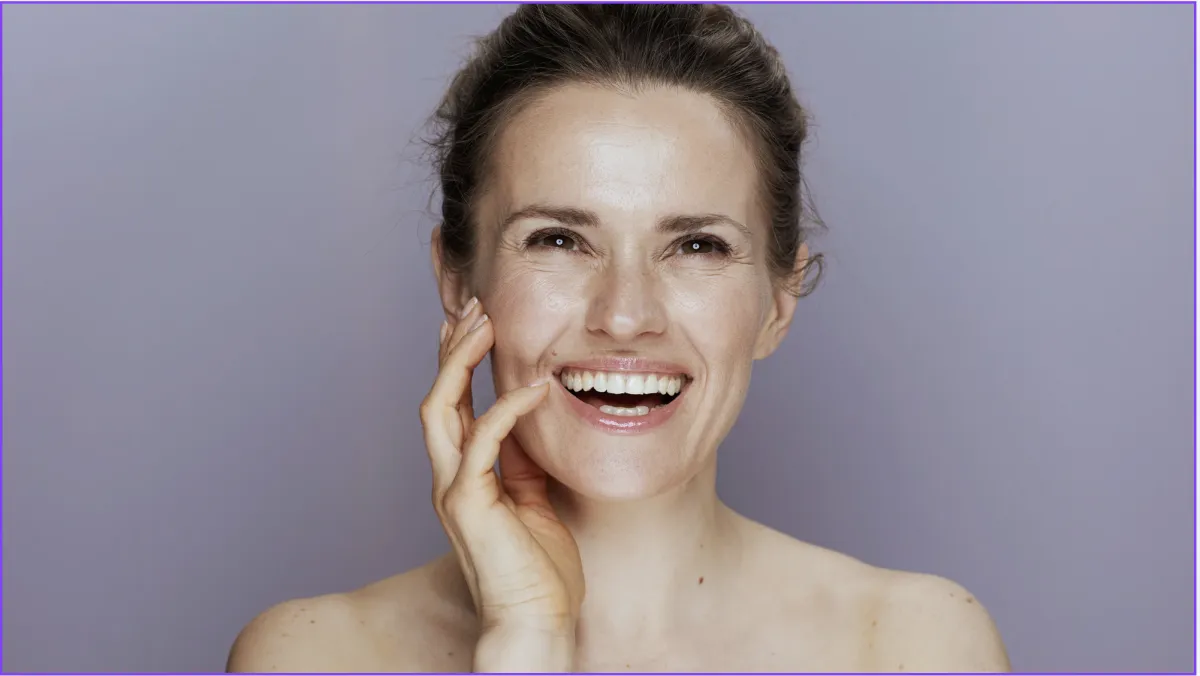
Healthy Skin Starts Beneath the Surface
What If It’s Not Just About Skincare?
When something changes with our skin, our first instinct is often to look at what we are putting on it. Maybe we need a better moisturizer, a different serum, or a treatment that addresses what we are seeing. Sometimes that is exactly what is needed, but our skin does not exist separately from the rest of the body. It is a living organ that is influenced by what is happening both around us and within us.
Over time, many things can influence the way our skin looks, feels, and functions. Some are simply part of getting older, while others may be influenced by hormones, nutrition, metabolic health, stress, sleep, medications, environmental exposures, and the cumulative effects of sun exposure.
Understanding those connections does not mean there is an underlying health problem behind every skin concern. It simply gives us a more complete way to think about skin health and make better decisions about how we care for it.
Skin Changes as We Do
Many of the changes we see in our skin are a normal part of aging. Collagen production gradually declines as we get older, cell turnover slows, and the skin becomes thinner and less able to retain moisture. Years of ultraviolet exposure can also contribute to changes in pigmentation, texture, and collagen.
While these changes are expected, aging does not happen in isolation from the rest of our health. Our skin continues to respond to hormonal, nutritional, metabolic, and environmental influences throughout our lives, which helps explain why two people of the same age can have very different experiences with their skin.
Genetics certainly play a role as well. There is no single formula that determines how someone's skin will age, just as there is no single intervention that will produce the same result for everyone.
Hormones Affect the Skin Too
Hormones have effects throughout the body, and the skin is no exception. Estrogen plays a role in collagen production, skin thickness, hydration, and elasticity. As estrogen begins to fluctuate during perimenopause and eventually declines after menopause, some women notice that their skin becomes drier, thinner, more sensitive, or simply behaves differently than it did before.
Other hormones can influence the skin as well. Androgens affect oil production and can contribute to acne, while thyroid hormones are involved in normal skin and hair function. Changes in thyroid function can sometimes accompany dryness, changes in skin texture, or changes in hair.
This is where context becomes important. A new breakout does not automatically mean there is a hormonal problem, and dry skin alone is not a reason to assume something is wrong with the thyroid. When skin changes occur alongside other symptoms or at a particular stage of life, however, those connections may be worth considering.
Skin Has to Be Built From Something
We spend a lot of time talking about what we put on our skin, but the body also needs the appropriate building blocks to continually maintain and repair it.
Protein provides amino acids that are used in tissue repair and collagen production. Vitamin C is necessary for normal collagen synthesis, and nutrients such as zinc, iron, and essential fatty acids also contribute to normal skin function and healing.
This does not mean that taking more supplements will automatically improve the skin, nor should we assume that a skin concern represents a nutritional deficiency. Nutrition is simply part of the environment in which the skin has to function. Adequate nutrition supports the processes the body is already designed to perform, while a topical product cannot fully compensate for something the body genuinely lacks.
Metabolic Health Can Influence the Skin
Blood sugar is another connection that is easy to overlook. When glucose remains elevated, sugars can bind to proteins in the body through a process known as glycation. Collagen and elastin, which help provide structure and flexibility to the skin, can be affected by this process over time.
Metabolic health also has implications for circulation, inflammation, and wound healing. This is one reason changes such as impaired wound healing may sometimes prompt a broader conversation about health rather than being viewed only as a skin concern.
It is important not to take these associations too far. A change in the skin does not diagnose insulin resistance, diabetes, inflammation, a nutritional deficiency, or a hormonal condition. I often think of symptoms as pieces of information. Their significance depends on what else is happening, how long the change has been present, and whether it fits into a larger pattern.
Stress and Sleep Are Part of the Picture
Stress and sleep are sometimes discussed as lifestyle issues that sit outside of physical health, but physiologically the body does not separate them that way. Chronic stress can influence cortisol, immune signaling, and inflammatory pathways, while inadequate sleep can affect metabolic regulation, tissue repair, immune function, and recovery.
Both can influence the way our skin functions and may contribute to certain inflammatory skin conditions or difficulty maintaining a healthy skin barrier. At the same time, it would be overly simplistic to attribute every skin problem to stress or assume that improving sleep will resolve a persistent skin condition. These are pieces of a much larger picture.
What Happens on the Outside Still Matters
Looking at skin health from within should never mean dismissing what happens on the outside. Sun exposure remains one of the most significant contributors to premature skin aging. Smoking can accelerate collagen breakdown and affect circulation, while climate and humidity can have a significant effect on hydration and the skin barrier. Those of us living in Colorado are especially familiar with what a dry climate can do to the skin.
The products we use matter as well. Moisturizers can support the skin barrier and improve hydration, sunscreen can reduce ultraviolet damage, and certain topical ingredients can meaningfully improve specific skin concerns. Professional treatments can also stimulate collagen, support cellular renewal, address pigmentation, and improve texture when they are appropriate for the individual.
There is no reason to choose between caring for the skin internally and caring for it externally. In many cases, a thoughtful approach includes both.
A Better Place to Start
When our skin changes, it is easy to immediately ask what product or treatment we need. Sometimes a better starting point is simply asking what has changed.
Perhaps the change began during perimenopause, after starting a new medication, during a particularly stressful period, or alongside changes in sleep, nutrition, weight, or other symptoms. It may reflect accumulated sun exposure or the normal changes that come with aging. It may also be a straightforward skin concern that would benefit from better topical care or a targeted treatment.
This is one of the challenges of having so much health information available to us. Learning that a symptom can be associated with a particular condition can quickly become believing that the symptom is evidence of that condition. Those are not the same thing. The value comes from understanding the information in context rather than trying to assign meaning to every change on its own.
Healthy Aging Is Personal
There is no shortage of messaging telling us what we are supposed to look like as we get older, but I do not think healthy aging needs to be defined by how successfully we hide the fact that we are aging.
Our skin will change, just as the rest of our bodies will change. We can still be intentional about protecting it from unnecessary damage, supporting our overall health, using good skincare, and choosing treatments for the things we would genuinely like to improve.
For one person, that may mean simplifying a skincare routine and improving hydration. Someone else may benefit from looking more closely at hormonal or nutritional changes. Another person may be interested in improving pigmentation, texture, or collagen loss with a professional treatment. There is room for all of those choices without creating one standard for what aging well is supposed to look like.
Healthy skin is influenced by what we put on it, what is happening within our bodies, the environment we live in, our genetics, and the natural process of getting older. Looking at the whole picture does not require us to search for an underlying problem behind every change. It simply means remembering that our skin is part of our overall health and deserves to be considered that way.
Sometimes what we see on the surface is simply a change in the skin, and sometimes it gives us a reason to look a little deeper.